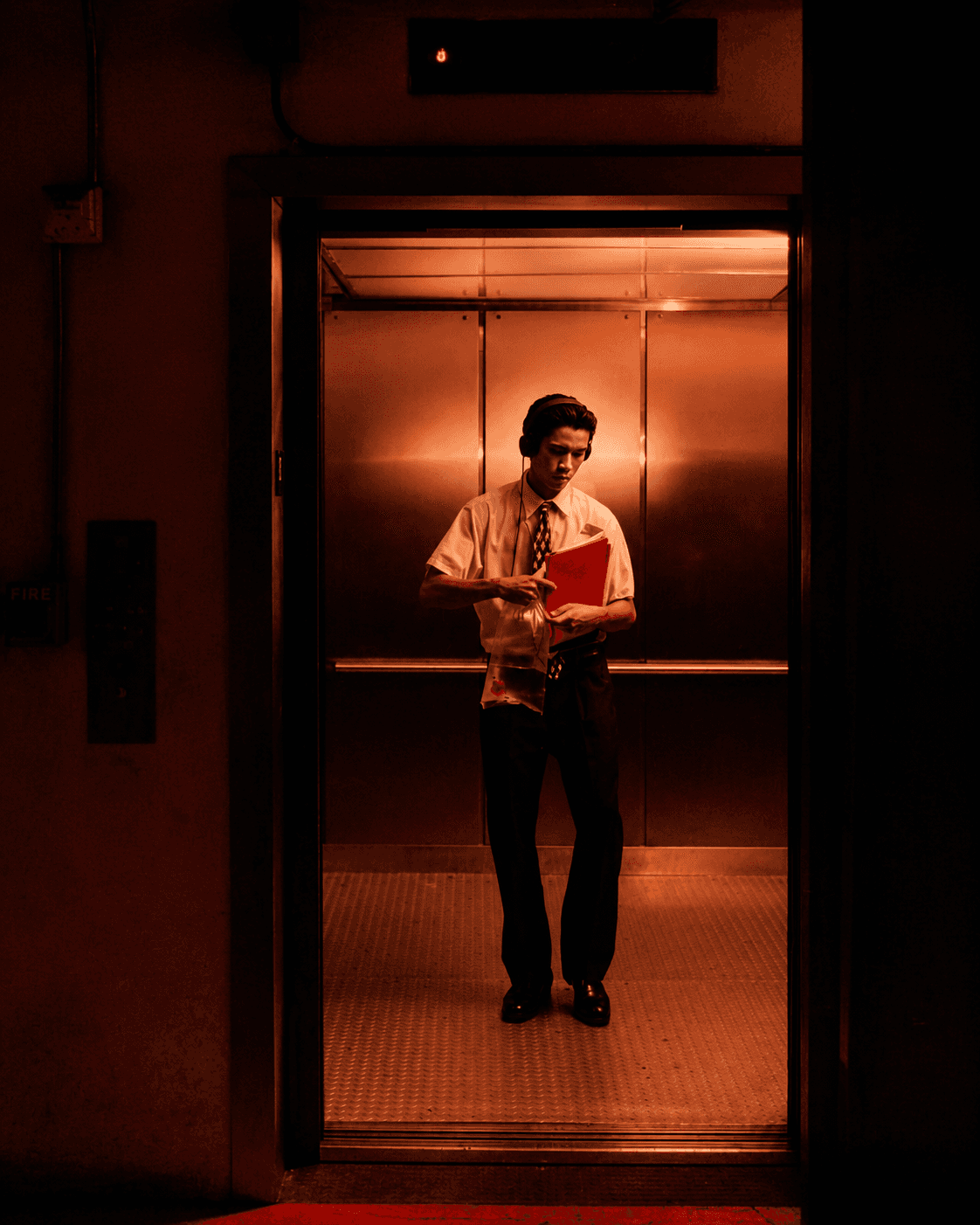
Behind the Frame: Building a Visual World
How photography, atmosphere, typography, and art direction work together to create visual worlds that feel recognizable, intentional, and alive.
Writer
Maya Bennett
Category
Process
Date
Length
3 Min
Introduction
A strong visual identity doesn't happen inside a single image. It comes from the relationship between photography, typography, composition, movement, color, and everything that surrounds them. Together, these elements create the world a brand or project lives inside.
Starting With Atmosphere
We usually begin by defining how a project should feel before deciding exactly how it should look. References, materials, environments, light, and movement help establish an emotional direction that can guide the entire project. This gives the creative process a foundation before individual decisions begin to take shape.
Finding the Right Visual Language
Once the atmosphere is established, we start translating it into a visual system. Photography might become softer or more documentary. Typography might become expressive or restrained. Layouts might create tension through scale and negative space. None of these choices exist independently — they work together to create a recognizable character.
Creating Consistency Without Repetition
A visual system should be recognizable without becoming predictable. We build frameworks that allow different images, layouts, and formats to feel connected while still giving each piece enough room to have its own character. Consistency should create recognition, not restriction.
Making It Feel Real
The final step is often restraint. Removing unnecessary elements allows the strongest parts of the visual world to become more noticeable. The goal isn't to create more visual noise, but to create enough atmosphere and detail for people to feel like they have entered somewhere.
Other Journals